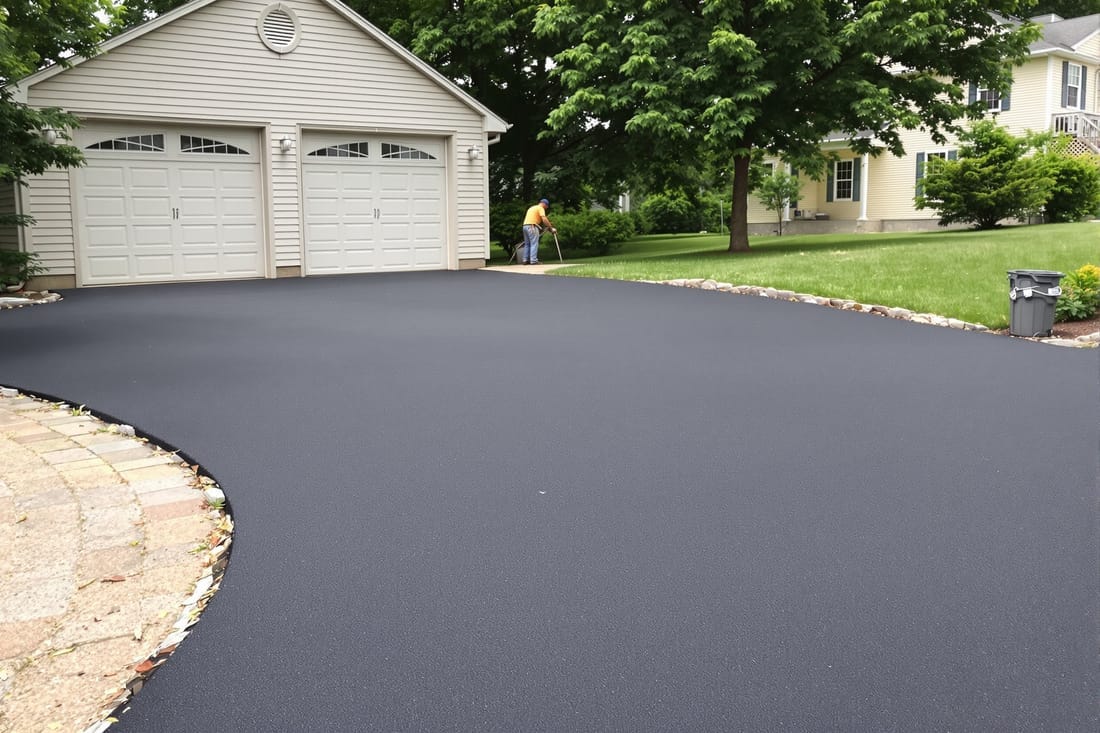
Home › Asphalt Driveway Installation
Get a smooth, durable asphalt driveway installation in Tulsa, OK from local paving specialists. We handle design, grading, and paving so your new blacktop driveway drains properly and looks great for years.
Precision Asphalt Tulsa provides professional asphalt driveway installation throughout Tulsa, OK, Oklahoma and the surrounding area. Our licensed, insured crew delivers safe, clean, on-time work with a free estimate before anything begins. Call (918) 703-4204 or request your free quote.
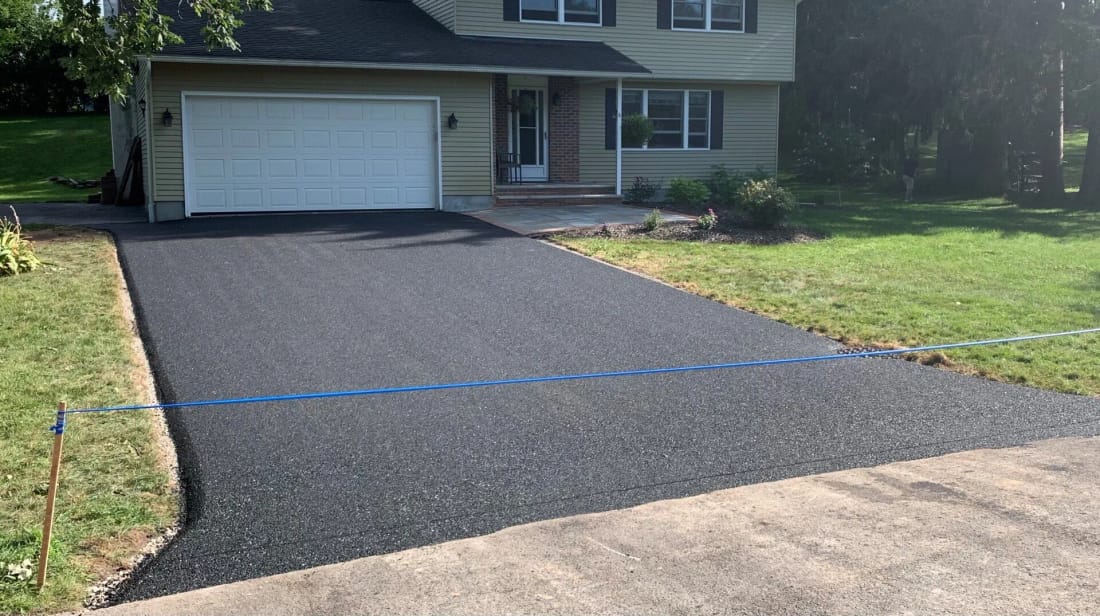
Asphalt Driveway Installation in Tulsa, Built for Local Conditions
An asphalt driveway in Tulsa has to handle hot summers, freeze-thaw swings in winter, and heavy rain that can hit in a single afternoon. Precision Asphalt Tulsa designs every asphalt driveway installation around these specific Oklahoma conditions, not a generic national standard.
We start by evaluating how you actually use the driveway: number and type of vehicles, turnaround space, trailer parking, boat or RV loads, and any drainage issues on your property. A light-use driveway for a small family car does not need the same structure as one that routinely supports diesel trucks or work trailers. By matching the structure to the use, we help you avoid early cracking, rutting, and edge failures.
Our crews are local, so we understand soil types common around Tulsa, from tight red clay in older neighborhoods to looser fill soils in newer subdivisions south and east of town. That knowledge directly affects how deep we excavate, how we compact the base, and what slopes we set so that water moves off the pavement and away from your home foundation.
Step-by-step: How Your New Asphalt Driveway is Installed
A durable asphalt driveway installation is a process, not just a layer of blacktop. Precision Asphalt Tulsa uses a clear sequence so nothing is skipped.
1. Site layout and elevation check: We mark the driveway edges, measure slopes, and confirm where water will flow. If water currently runs toward your garage or front door, we correct that in the design with adjusted grades or small swales.
2. Excavation and removal: We strip sod, topsoil, or old failed pavement to the required depth. For Tulsa’s clay soils, we usually remove 8 to 12 inches, more if the soil shows signs of movement or chronic wetness. Old concrete or asphalt is hauled to an approved recycling or disposal facility.
3. Subgrade preparation: The exposed soil is proof rolled with heavy equipment. Soft or pumping spots are removed and replaced with compactable material. This step prevents future settling that can show up as dips and birdbaths in your driveway.
4. Base stone installation: We install a compacted aggregate base, often 4 to 8 inches of crushed rock, depending on use. Material is placed in lifts and compacted with vibratory rollers and plate compactors near edges to reach proper density.
5. Fine grading and edge support: The base is shaped to final slopes, and we install edge support where needed, such as concrete borders or additional shoulder stone, to keep the asphalt edges from breaking off when vehicles drive near the sides.
6. Asphalt paving: We typically install a 2 to 3 inch compacted surface layer for residential driveways, thicker for heavier use. Hot mix asphalt is placed by machine where access allows, then rolled in multiple passes to achieve a tight, smooth finish.
7. Final roll, cleanup, and walkthrough: After compaction, we check transitions to the street, sidewalks, and garage slab, then clean up the site. We walk the driveway with you, explain curing and use guidelines, and answer maintenance questions before we leave.
Design Options: Thickness, Layout, and Curb Appeal Choices
An asphalt driveway installation is not one-size-fits-all. Precision Asphalt Tulsa gives you specific options so the driveway fits both your property and your budget.
Thickness and structure: For most Tulsa homes, a 4 to 6 inch base with a 2 to 3 inch asphalt layer performs very well. If you park work trucks, RVs, or trailers, we may recommend a thicker base or two asphalt layers (a binder course and a surface course) to resist rutting.
Layout changes: Many older Tulsa driveways were poured when vehicles were smaller. During installation, we can widen tight approaches, add a parking pad beside the garage, or create a turnaround so you do not have to back into South Sheridan or Memorial traffic. These changes have to be planned before we excavate, which is why design discussion upfront is important.
Drainage and slopes: We can add shallow swales, adjust driveway crown, or install small drainage inlets in problem areas. On sloped lots, we plan the driveway so runoff does not wash soil across the surface or into the street gutter where it can cause erosion.
Visual details: While asphalt itself is black, there are real choices that affect appearance and longevity. We can install clean, straight edges with defined shoulders, add concrete or brick borders at the street or near landscaping, or create a gentle flare at the street line to make entry easier. Joint placement at the street and garage is done carefully so the transition looks intentional and resists cracking.
Tulsa Climate Factors and the Best Time to Install
Tulsa’s weather should control when your asphalt driveway installation happens. Precision Asphalt Tulsa schedules residential work with both temperature and moisture in mind.
Ideal paving window: For new asphalt, we aim for daytime highs between roughly 60 and 90 degrees with dry conditions. In Tulsa, that typically means March through early June and again from late September into early November. Asphalt can be placed outside those windows, but we adjust techniques and timing to protect compaction and finish.
Summer heat: July and August in Tulsa can bring extreme surface temperatures. Work can still be done, but we often shift to earlier pours in the morning so the mix does not cool too slowly and scuff under tires. We will give you clear instructions on how long to keep vehicles off the surface during those high heat periods.
Freeze-thaw cycles: In winter, short warm stretches can be deceptive. If the ground below is still frozen or saturated, installing a driveway can trap moisture and lead to early base failure. We will tell you honestly if conditions are not right yet and recommend a better window, rather than rushing a job that will not last.
Rain and storms: Because Tulsa can receive intense storms, we carefully watch the forecast. If heavy rain is likely during or right after paving, we reschedule rather than risk wash lines, surface damage, or improper compaction. Proper timing at installation is a big reason some driveways last 25 years while others fail in 8 to 10.
Cost Drivers and How We Price Your Asphalt Driveway
Homeowners often ask why one driveway costs more than another that looks similar from the street. Precision Asphalt Tulsa is transparent about what actually drives the cost of an asphalt driveway installation.
Size and shape: A long, straight driveway is less labor-intensive than a short but complex one with tight curves, circular turnarounds, or multiple tie-ins at sidewalks and patios. We measure actual square footage and factor in layout difficulty.
Existing conditions: Removing thick concrete, hauling off failing asphalt, or correcting poor drainage and soft spots adds time and disposal costs. In Tulsa’s older neighborhoods, we frequently find thin or no base under old asphalt, which means we need to rebuild the structure to avoid repeating the same failures.
Base depth and mix type: A deeper base and thicker asphalt layer cost more up front, but for heavy-use driveways they reduce long-term repair needs. We will price at least one option that meets basic standards and another that builds in extra life for frequent or heavy loads, so you can choose with clear information.
Access and logistics: Tight access between houses, overhead utilities that limit equipment, or steep slopes can require smaller machinery and more handwork. We factor this in during the site visit, so your written quote reflects the real job, not an online estimate that will change later.
We provide written, line-item estimates that separate removal, base work, asphalt placement, and any extras such as borders or added parking pads. That way you can see exactly where your money is going and make informed decisions about upgrades or changes.
Common Driveway Problems and How We Prevent Them
Many of the issues Tulsa homeowners see in old driveways are not random. They come from predictable causes that a careful asphalt driveway installation can prevent. Precision Asphalt Tulsa designs and installs with those specific problems in mind.
Cracking and edge breakup: Thin edges without support are the first place many driveways fail. We prevent this by building adequate base width beyond the asphalt edge and compacting shoulders. Where vehicles regularly run at the edge, we may recommend concrete or stone borders for added strength.
Rutting and tire depressions: These often occur where heavy vehicles park in the same spot every day. We address this early by asking about parking habits, then increasing base depth or asphalt thickness in those zones rather than treating the entire driveway the same.
Standing water and birdbaths: Even small dips can let water sit on the surface, which speeds aging and can become ice patches in winter. Our crews use straightedges and levels during base grading and final rolling to confirm slopes. If we see a low area forming as we compact, we correct it before we leave, not after the first rain.
Premature aging and raveling: Poor compaction or thin asphalt lets the surface loosen and shed aggregate over time. We use properly calibrated rollers and compact while the mix is in the right temperature range. For Tulsa’s sun exposure, we also explain when sealcoating will actually help and when it is too early, since sealing a driveway too soon can trap oils and cause softening instead of protection.
What to Expect When You Hire Precision Asphalt Tulsa
We know that replacing or installing a driveway can be disruptive if it is not managed well. Precision Asphalt Tulsa works to keep your asphalt driveway installation clear and predictable from the first call.
On-site consultation: We visit your property, measure, evaluate drainage and soil, and listen to how you plan to use the driveway. You receive a written estimate with clear scope, time frame, and any options discussed.
Scheduling and preparation: Once approved, we schedule a start date that works with your schedule and Tulsa’s weather. You will know when vehicles need to be moved and how long access to your garage will be limited.
Active communication: During the job, a foreman on site can answer questions about any part of the process. If weather forces a schedule change, you hear from us quickly, not at the last minute.
Post-install guidance: We provide written instructions on when you can walk and drive on the new asphalt, how to avoid scuffing in the first weeks, and what simple maintenance will extend the life of your driveway. If you notice anything that concerns you after installation, we encourage you to call so we can inspect and address it promptly.
By focusing on structure, drainage, and clear communication, Precision Asphalt Tulsa delivers asphalt driveways that handle local conditions, support your daily use, and look good for years, not just the first season.