Home › Asphalt Milling and Reclamation
Solve severe pavement problems with asphalt milling in Tulsa, OK. We profile or fully reclaim asphalt surfaces to correct grade, remove damage, and prepare for new paving or overlays.
Precision Asphalt Tulsa provides professional asphalt milling throughout Tulsa, OK, Oklahoma and the surrounding area. Our licensed, insured crew delivers safe, clean, on-time work with a free estimate before anything begins. Call (918) 703-4204 or request your free quote.
Asphalt Milling in Tulsa: What It Is and When You Need It
Asphalt milling is the process of removing a controlled depth of existing asphalt so a new surface can be installed on top of a stable base. In Tulsa, this is often the right choice for older parking lots in midtown, warehouse drives near the river, and subdivision streets that were laid in the 80s and 90s. Instead of tearing everything out, Precision Asphalt Tulsa mills off the worn layer and reuses that material when possible.
You might need milling if your asphalt has widespread cracking, ponding water, ruts where vehicles sit, or multiple layers of old overlays. Milling corrects height issues at garage entries, curb lines, and ADA ramps that have been buried by past paving jobs. It is also used before full depth reclamation, where the base needs to be rebuilt.
Milling is measured in inches of depth. For example, we might mill 1 to 1.5 inches off a neighborhood street and 2 to 3 inches off a truck route or heavy use driveway. The correct depth depends on how thick your current asphalt is, how much structural strength it still has, and how much room we have to match existing concrete approaches and drainage inlets. Precision Asphalt Tulsa checks all of this before recommending milling so you do not pay for more work than you need.
How Precision Asphalt Tulsa Actually Performs Asphalt Milling
On a Tulsa milling project, the work starts with a detailed site walk and measurements. We locate utilities, storm drains, manholes, water valves, and any shallow curb faces or loading dock edges that could be affected by changing elevation. We check existing asphalt thickness with test cuts so we know how deep we can mill without exposing an unstable base.
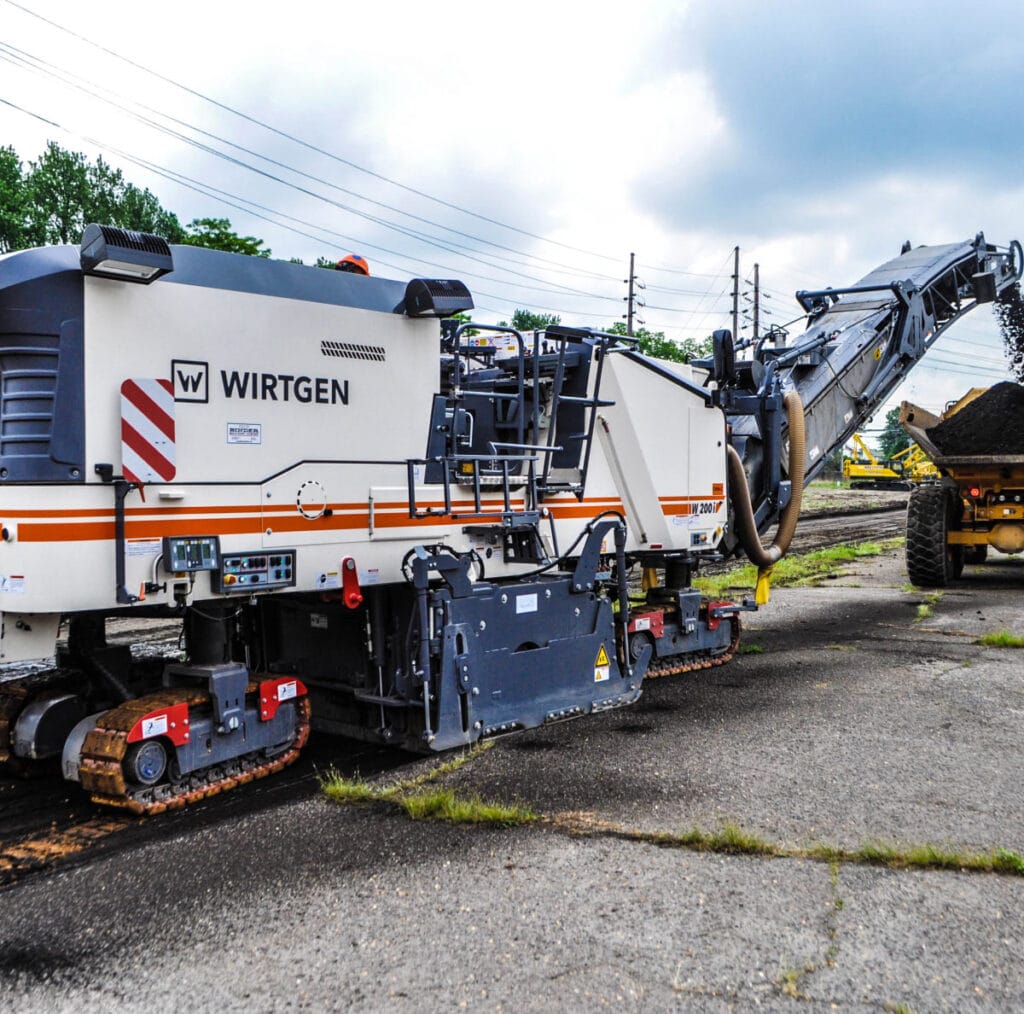
Next, our crew brings in a cold milling machine sized for the job. For large commercial lots near Highway 169 we use a full size mill that can cut a traffic lane quickly. For tight residential driveways and HOA streets in south Tulsa we use a smaller machine that can work close to garages, fences, and mailboxes. The mill uses a rotating drum with cutting teeth to grind the asphalt in a controlled pass.
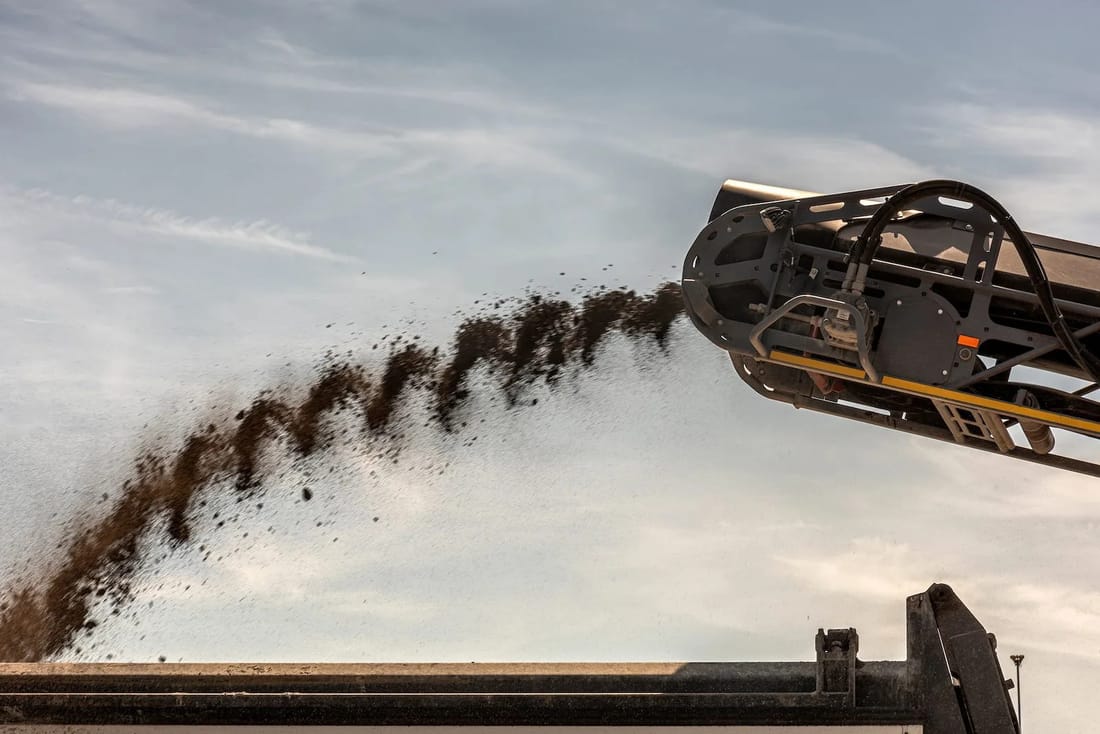
Material is conveyed directly into dump trucks, not left loose on your site. Depending on the mix and condition, it can be trucked to a plant to be recycled or stockpiled for use as reclaimed base on other jobs. After milling, we broom sweep and blow the surface so we can see remaining defects like soft spots, cracked base, or exposed aggregate that indicate deeper issues.
If we find weak areas, we mark and dig them out, then rebuild with new base rock compacted to the proper density. Only after the milled surface is sound, clean, and dry do we apply tack coat and lay the new asphalt surface. This step by step approach is what keeps the new overlay from slipping or raveling in Tulsa heat and traffic.
Full Depth Reclamation and When It Beats Simple Milling
Asphalt reclamation, also called full depth reclamation, is different from standard milling. Instead of just shaving off the top layer, we blend the existing asphalt and part of the base together to form a new stabilized foundation. This is often the best solution for older industrial lots in north Tulsa or rural drive lanes around Owasso and Bixby where the base has failed in multiple locations.
Precision Asphalt Tulsa uses reclamation when we see extensive alligator cracking, base pumping after heavy rains, or repeated patch failures. In these cases, another overlay or shallow mill and fill will only hide the problem for a short time. With reclamation, a reclaimer machine grinds the asphalt and base material to a specified depth, often 6 to 8 inches, then we add cement, fly ash, or other stabilizers if needed.
We grade and compact this blended layer to proper slope so water drains correctly, then allow it to cure. After that, we place a new asphalt surface on top. The result is a strong platform that handles Tulsa clay soils and seasonal moisture swings without the same level of cracking. This method often saves trucking and material costs compared to total dig out and replacement, especially on large acreage sites or long access roads.
Cost Factors for Asphalt Milling Projects in Tulsa
Customers often ask why one milling project costs more than another when the square footage is similar. Labor and equipment are only part of the picture. The biggest cost factor is the milling depth because that controls how many passes we must make and how many truckloads of grindings must be hauled away or recycled. Deeper milling also exposes more of the base, which can reveal additional repairs.
Access and layout affect price too. Wide open lots along 51st or 71st Street can be milled efficiently because machines and trucks move in straight lines. Tight apartment complexes, medical offices with constant patient traffic, and small church lots require more handwork and phasing, which adds time. Working around many manholes, inlets, and valves means more detail milling by a smaller machine so we do not damage those structures.
Existing conditions under the asphalt matter. If your lot was built on poorly compacted subgrade or thin base rock, we may have to include undercut and base rebuild in the estimate. That is why Precision Asphalt Tulsa does not give serious milling proposals based only on aerial photos. We need on site inspection, test cuts, and sometimes core samples, especially for heavy truck sites like distribution centers or fueling stations.
Timing can influence cost as well. Coordinated projects that allow full day machine use and straightforward phasing are more efficient than fragmented work with many mobilizations. When it makes sense, we can schedule milling at night or weekends around Tulsa traffic and business hours, but that may slightly increase the rate because of lighting, staffing, and noise control requirements.
Common Milling Problems and How We Handle Them Locally
Not every milling project in Tulsa is straightforward. One frequent issue is hidden base failure that is only obvious once the top layer is removed. When we hit a soft or pumping area with the mill, we stop, mark the limits, and remove the unstable material. We then rebuild with compacted aggregate base and proof roll it before continuing, so the problem does not reflect through your new surface.
Another challenge is drainage that was never right in the first place. Many older commercial lots along older corridors were built too flat, which allows water to sit even after milling. Where we can, Precision Asphalt Tulsa adjusts milling depth in selected areas to recreate crown and correct slopes toward inlets, while still matching fixed elevations at doors and sidewalk transitions. In severe cases, we will discuss adding or relocating drains as part of the project scope.
Height transitions are also critical. If you have garage entries, roll up doors, or dock plates that already sit low, we plan milling so we do not create trip hazards or clearance issues. Sometimes this means a variable depth mill, where we take more off in the center of a lot and less near structures. We also coordinate with utility owners if valve boxes or manholes have to be raised or lowered so that the final pavement is smooth.
Finally, Tulsa weather has to be considered. Summer heat can make milled surfaces dusty and shouldered, while sudden storms can saturate exposed base. We schedule milling with a close eye on the forecast, keep drainage paths open, and avoid leaving vulnerable areas exposed longer than necessary. If a storm hits in the middle of a job, we inspect the milled surface for erosion or contamination before paving over it.
What Tulsa Property Owners Should Ask Before Hiring for Asphalt Milling
Before you move forward with any asphalt milling or reclamation work, ask potential contractors how they determine milling depth. A solid answer should mention test cuts, existing asphalt thickness, base condition, and planned overlay thickness, not just a one size fits all depth. Precision Asphalt Tulsa documents these findings and explains why we choose a certain approach for your site.
Ask how the milled material will be handled. Responsible contractors either recycle it into new asphalt or use it as graded base in appropriate settings. If someone plans to leave large piles of grindings on your property without a plan, that is a red flag. Discuss traffic control and project phasing as well, especially if you operate a retail center, school, or medical office that must stay open. You need a clear schedule that shows when each area is accessible.
You should also request references for milling or reclamation projects similar to yours in the Tulsa area, not just new construction paving. Work at a busy south Tulsa church has different needs than a distribution yard near I 244. Local experience means we know how city inspections, ADA requirements, and drainage patterns typically play out.
Finally, make sure your proposal clearly distinguishes between overlay only, mill and overlay, and full depth reclamation options. Each has a different cost and life expectancy. At Precision Asphalt Tulsa, we walk through those tradeoffs in plain language so you can choose the solution that fits your budget and how long you plan to own or manage the property.