Home › Asphalt Resurfacing & Overlays
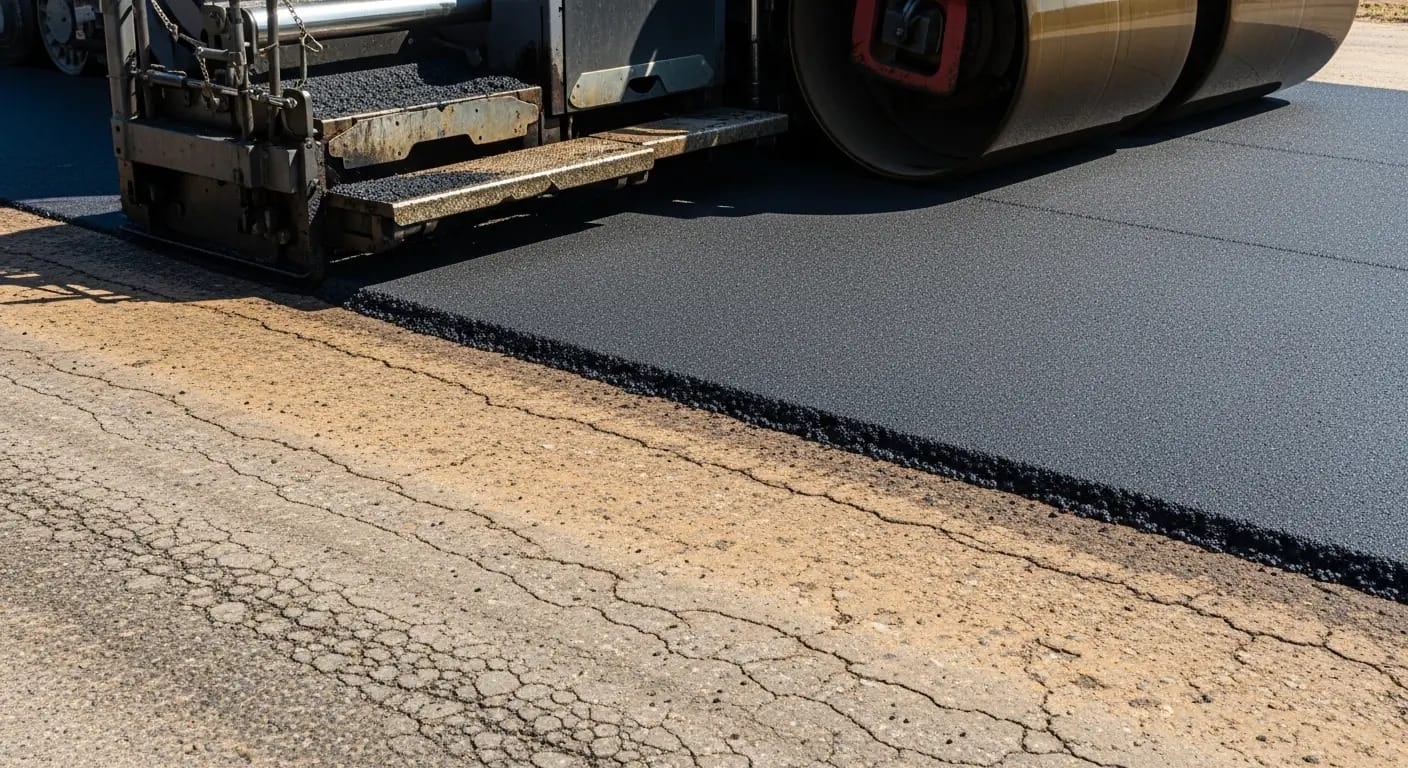
Refresh aging pavement with asphalt resurfacing in Tulsa, OK instead of full replacement. We repair problem areas, then install a new overlay that restores smooth, dark curb appeal to your driveway.
Precision Asphalt Tulsa provides professional asphalt resurfacing throughout Tulsa, OK, Oklahoma and the surrounding area. Our licensed, insured crew delivers safe, clean, on-time work with a free estimate before anything begins. Call (918) 703-4204 or request your free quote.
Asphalt Resurfacing & Overlays for Tulsa Properties
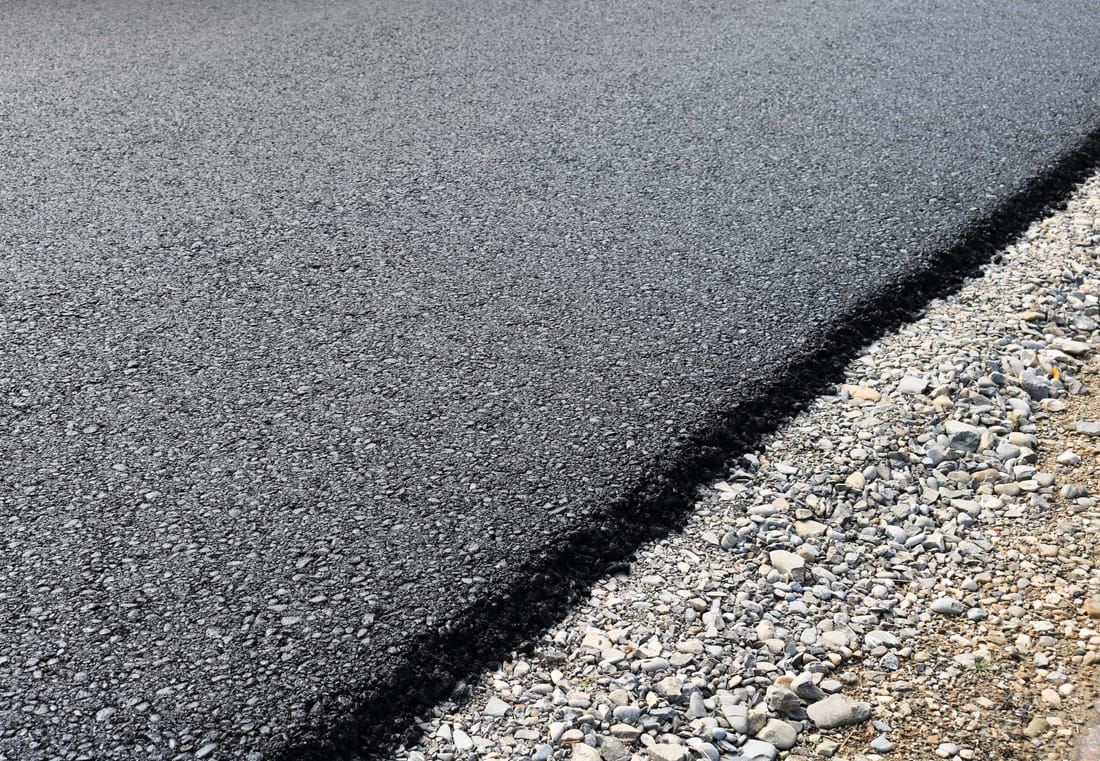
Asphalt resurfacing gives worn pavement a fresh, strong driving surface without the cost of full replacement. Precision Asphalt Tulsa focuses on resurfacing and overlay work that fits the way Tulsa properties are actually used, from neighborhood driveways and church lots to retail centers that stay busy seven days a week.
Resurfacing (often called an asphalt overlay) means we leave the solid parts of your existing pavement in place, mill or repair the problems on top, then install a new layer of hot mix asphalt. This can add 8 to 15 years of life when the base is still sound. For many Tulsa home and business owners, it is the most cost‑effective sweet spot between short‑term patching and full tear out and replacement.
Because we live and work in Tulsa, we plan resurfacing around our freeze‑thaw cycles, sudden rainstorms, and intense summer heat. Our recommendations on timing, asphalt mix, and thickness are based on how pavements here actually age so you get value that lasts, not just a surface that looks good for a season.
How We Evaluate Your Pavement Before Resurfacing
Before recommending asphalt resurfacing, Precision Asphalt Tulsa performs a detailed evaluation on site. We are looking at whether your existing pavement can truly support a new overlay or if hidden problems will simply telegraph through the new surface.
We start with a visual walk‑through, noting alligator cracking, low spots that hold water after rain, rutting in wheel paths, oil‑soaked areas, and transitions at sidewalks and garage slabs. On commercial lots we also look at traffic patterns, where delivery trucks turn, and where customers typically park. These patterns affect where the pavement is weakest.
Next we check structural soundness. Using a probing bar and core samples when needed, we gauge asphalt thickness and the condition of the base underneath. If the base is pumping, soft, or shows obvious movement, a full replacement in those sections is usually better than a simple overlay. We may recommend a combination approach, replacing failed sections and resurfacing the rest.
We also review drainage. Tulsa storms can drop heavy rain in a short time. If your lot or driveway already has puddles, an overlay without slope correction will just lock that problem in place. We check grades toward drains, street gutters, and yard areas so we can adjust thicknesses and milling depths to improve water flow.
Only after this inspection do we confirm that asphalt resurfacing is appropriate. If it is not, we explain why, show you the problem areas, and outline other options so you can make a clear, informed decision.
Step‑by‑Step: Our Asphalt Resurfacing & Overlay Process
When resurfacing moves forward, Precision Asphalt Tulsa follows a detailed process so the new layer bonds tightly and wears evenly.
1. Site preparation and planning: We mark utilities, set up traffic control for commercial sites, and create a phasing plan so customers or residents can still get in and out. For busy Tulsa businesses, we often schedule work in off‑hours or in sections so you never fully close.
2. Cleaning and edge work: We thoroughly clean the existing pavement, removing loose debris, vegetation in cracks, and built‑up dirt or sand from Tulsa’s windy seasons. Power blowers and mechanical sweepers help create a clean, dry surface for bonding.
3. Milling and leveling: Where there are high spots, severe ruts, or transitions to garages and concrete, we use a milling machine to remove controlled depths of old asphalt. This keeps finished elevations correct so you do not end up with raised thresholds, trip edges, or poor drainage at the street.
4. Structural repairs: Areas with base failure, potholes, or severe alligator cracking are cut out. We excavate the soft base, replace it with compacted aggregate (and geotextile fabric when appropriate), then install and compact new asphalt flush with the surrounding surface.
5. Tack coat application: We spray a tack coat, an asphalt emulsion, over the prepared surface. This is what makes the new overlay bond to the old layer. Skipping this step or applying it unevenly is a common shortcut that leads to slippage cracks later.
6. Installing the new asphalt layer: We place hot mix asphalt with a paver in one or more lifts, typically 1 to 2 inches thick for driveways and 2 to 3 inches for heavier traffic. Mix designs are chosen for Tulsa’s temperature swings, with enough flexibility to handle winter freezes and enough stability to resist rutting in August heat.
7. Compaction and finishing: Steel drum and pneumatic rollers compact the new surface to target densities. We pay special attention to seams and joints so water does not find easy entry points. Finally, we adjust manholes, valves, and inlets to match the new surface height.
Material Options, Thickness, and Design Choices
There is no single overlay mix that fits every Tulsa project. Precision Asphalt Tulsa helps you select materials and thicknesses that match your specific use, budget, and appearance goals.
For residential driveways and small parking lots with light cars and pickups, we typically recommend a 1.5 to 2 inch overlay of surface mix. This provides a smooth finish for shoveling and snow removal, while still standing up to daily use. In shady or tree‑lined areas, we may use mixes that resist moisture damage and minimize early cracking from surface roots.
For commercial lots, we often separate the lot into traffic categories. Customer parking stalls might receive a standard surface mix, while drive lanes and delivery routes get a thicker lift or a mix with a higher stone content to handle frequent turning and slow‑speed truck traffic. Around dumpsters, fire lanes, or loading docks, we sometimes reinforce the base or recommend full depth replacement instead of a simple overlay.
We also talk through color and texture expectations. Fresh asphalt starts very dark, then weathers to a charcoal tone. If you plan to add sealcoat later for a deep black appearance, we plan the schedule around Tulsa’s seasonal temperatures so the mix has time to cure before sealing. For lots that need high visibility markings, we specify aggregate and finishing practices that hold striping paint well.
Joint design is another detail. At tie‑ins to existing concrete, such as sidewalks, approaches, and warehouse slabs, we carefully plan transitions so there are no abrupt steps that create trip hazards or problems for pallet jacks and strollers.
What Affects the Cost of Asphalt Resurfacing in Tulsa
The cost of asphalt resurfacing in Tulsa, OK varies based on several on‑site factors, not just square footage. Precision Asphalt Tulsa is upfront about these so you can understand any price differences between bids.
Condition of existing pavement: If your driveway or lot only needs minor crack repairs and thin milling, costs stay lower. When we find wide areas of base failure, deeper milling, or full depth patching, material and labor both increase. We separate these items in our proposals so you know exactly what is going into repair versus the overlay itself.
Overlay thickness and mix type: A 3 inch commercial overlay uses roughly twice as much asphalt as a 1.5 inch residential overlay. Heavier duty mixes with more stone and modified binders cost more per ton but can save money long term on maintenance for high traffic sites.
Access and phasing: Working in tight downtown Tulsa lots, gated communities, or complexes that must stay open can slow production. Extra traffic control, night work, or multi‑phase scheduling adds labor. We discuss these tradeoffs so you can weigh cost against convenience for your customers or tenants.
Drainage and grading corrections: If we need to regrade significant portions to fix ponding after heavy Oklahoma rains, there is more milling and leveling work. Correcting these issues up front usually prevents future potholes and striping damage caused by standing water.
Timing and season: Hot mix asphalt pricing can fluctuate with oil prices and seasonal demand. We always try to align your project window with favorable weather so we are not fighting sudden spring storms or cold snaps that reduce compaction quality.
Dealing With Common Pavement Problems Before Overlaying
Resurfacing works best when existing problems are treated first, not just covered. Precision Asphalt Tulsa spends a significant part of each project addressing the issues that commonly show up on Tulsa pavements.
Alligator cracking: This usually means the asphalt or base failed under repeated loading. We cut out these areas instead of overlaying them. If we simply went over the top, reflective cracking would usually appear within a year or two, especially after winter freeze‑thaw cycles.
Potholes: Before overlaying, we square off pothole edges, repair the base, and compact new asphalt in layers. Quick throw‑and‑go patches are not acceptable under a new overlay because they tend to move and create soft spots.
Oil and fuel spots: In front of garages, under parked work trucks, and around commercial drive‑throughs, leaked oil can prevent a good bond. We clean and sometimes sawcut these sections, use primers or replacement patches, and make sure the new asphalt layer has a solid surface to adhere to.
Cracks and joints: Wider cracks are routed, cleaned, and filled with hot applied crack sealant where appropriate. This reduces water infiltration from below. For older overlays that already have long seams, we focus extra attention on those lines so the next lift does not simply mirror those weaknesses.
Drainage and low areas: Depressions that hold water are leveled with intermediate leveling courses before the final overlay. We use straightedges and levels, not just eyeballs, to make sure the finish grade moves water to drains, streets, or swales.
By addressing these issues methodically, we help your new asphalt resurfacing perform like a cohesive structure, not a thin cosmetic layer.
When to Schedule Resurfacing and How to Get Started
In Tulsa, the best window for asphalt resurfacing is typically from late spring through early fall when daytime temperatures stay high enough for proper compaction and curing. We can work outside those months case by case, but we will be honest if overnight lows are likely to harm the long‑term result.
For homes, we often complete driveway overlays in a single day, with light foot traffic allowed that evening and vehicle traffic usually the next day, weather permitting. For commercial and church lots, we can phase work over multiple days or weekends so you maintain access. We meet with you in advance to map out closures, alternate parking, and signage.
Before we provide a written proposal, a member of the Precision Asphalt Tulsa team visits your property, discusses how you use the pavement, and reviews any long‑term plans such as future building additions or traffic pattern changes. This local, in‑person approach helps us recommend a resurfacing solution that fits your real needs instead of a one‑size‑fits‑all package.
To get started, you can schedule a site visit, share any issues you have noticed after storms or heavy use, and we will walk the pavement with you. We will explain what we see in plain language, outline whether asphalt resurfacing is the right approach, and provide a clear scope of work so you know exactly what will happen from the first day on site to the final rolling of the new surface.