Home › Commercial Gravel-to-Asphalt Conversions
Upgrade your property with commercial gravel to asphalt conversions in Tulsa, OK. We regrade, compact, and pave gravel or dirt lots and roads for cleaner, safer access and better drainage.
Precision Asphalt Tulsa provides professional commercial gravel to asphalt throughout Tulsa, OK, Oklahoma and the surrounding area. Our licensed, insured crew delivers safe, clean, on-time work with a free estimate before anything begins. Call (918) 703-4204 or request your free quote.
Commercial Gravel-to-Asphalt Conversions in Tulsa, Built for Heavy Use
If you are running commercial property in Tulsa with gravel drives or parking lots, you are already paying for that surface in constant grading, dust control, and complaints. Precision Asphalt Tulsa focuses on commercial gravel-to-asphalt conversions that turn loose rock into a clean, durable, and professional asphalt surface that holds up under Oklahoma heat and heavy traffic.
Most of our commercial conversions come from businesses that are tired of washouts during thunderstorms, ruts from delivery trucks, mud at entrances, and dust getting tracked into offices or warehouses. We work with retail centers, medical offices, churches, industrial yards, multifamily complexes, and small business owners who want a finished surface without shutting down operations for weeks.
On every project we look at how your site actually functions. That includes traffic flow, truck routes, where customers walk, dumpster and loading areas, and where water currently collects on the gravel. From there, we design the new asphalt layout, drainage, and base improvements rather than just paving over what is there and hoping it holds.
How We Turn Your Commercial Gravel Lot into Asphalt
A solid gravel-to-asphalt conversion is mostly about what happens under the pavement. At Precision Asphalt Tulsa, we start by walking the site with you, noting soft spots, standing water, and any areas that rut under trucks or trailers. We pull a few test spots on the existing gravel to see base depth and moisture.
Next, we strip or regrade the existing gravel. On stable areas, we may reuse much of your existing rock, but we will reshape it for proper slope away from buildings and toward existing or new drainage points. In weaker zones, we undercut and remove poor material, then install new aggregate base to the depth needed for your traffic loads, often 6 to 10 inches in heavy truck areas.
Once the base is shaped, we mechanically compact it with vibratory rollers until it meets target density. We correct soft spots first so they do not telegraph through the new asphalt. For Tulsa projects, we also adjust slopes to direct stormwater away from entry doors and ADA paths.
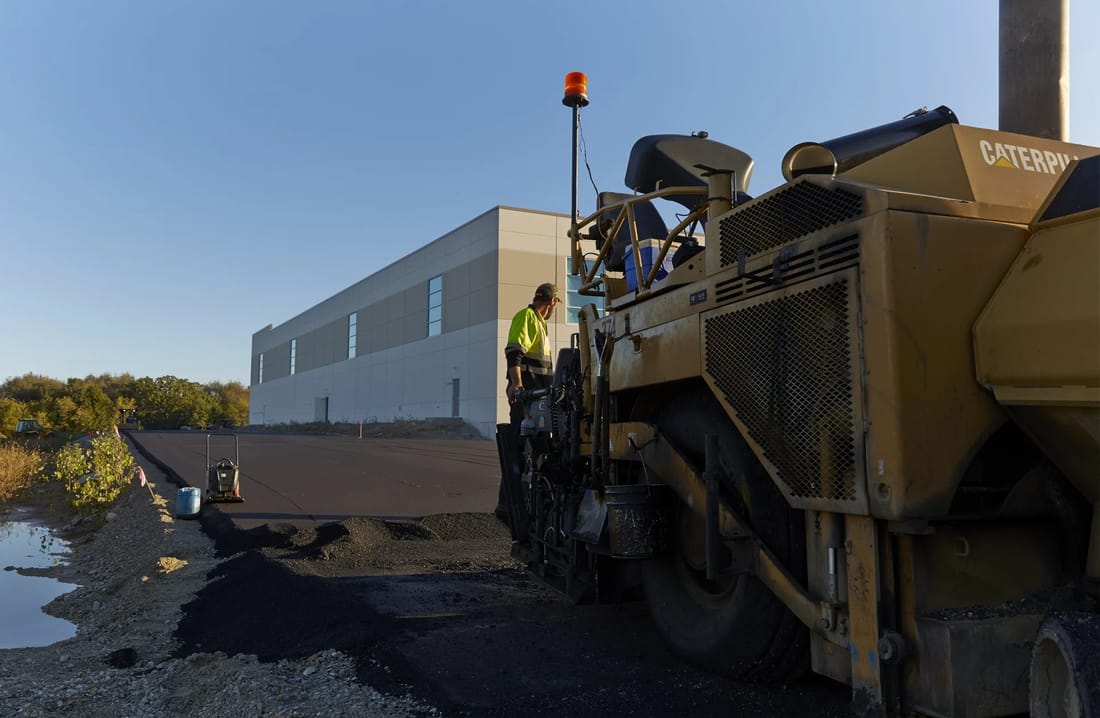
Finally, we install hot mix asphalt in one or two lifts, depending on your needs. We machine lay the asphalt with a paver for consistent thickness, then compact with steel drum and pneumatic rollers. Joints at existing concrete approaches, sidewalks, and dock areas are carefully tied in so there is no abrupt bump or trip edge.
Thickness, Mix Types, and Design Choices for Tulsa Properties
The right gravel-to-asphalt design is not one-size-fits-all. Precision Asphalt Tulsa sizes your asphalt section for how you actually use the lot.
Light duty areas, like employee and customer parking for offices or small retail, typically receive 3 inches of asphalt over a properly compacted aggregate base. For restaurant drive-thrus or high turn areas, we may increase the surface thickness or use a tougher surface mix to resist shoving from slow, turning traffic.
For commercial sites with box trucks, delivery vans, or occasional semis, we usually recommend 4 to 5 inches of asphalt, sometimes with a stronger base aggregate or a two-lift asphalt system that uses a more robust binder course underneath and a smoother surface course on top. Dumpster pads and loading areas that see turning truck tires in tight spaces may benefit from thicker asphalt or a transition to concrete at the pad itself.
Tulsa’s temperature swings and summer heat require mixes that resist rutting and early cracking. We typically use local ODOT-approved hot mix asphalt blends matched to your traffic class, not generic residential mix. For properties that want a clean, organized look, we can integrate new striping layouts, concrete wheel stops, and clearly marked fire lanes to comply with city requirements.
Common Problems with Gravel Lots and How We Fix Them
Commercial gravel-to-asphalt projects often start with recurring problems: endless potholes, water standing after every storm, and rock migrating into city streets or neighboring yards. Precision Asphalt Tulsa addresses these issues in the conversion plan, not as an afterthought.
Rutting and potholes usually indicate inadequate base depth or poor drainage. Rather than simply filling holes, we cut out weak areas, improve the base with fresh aggregate, and compact it properly before paving. Where water collects, we adjust grades so the finished asphalt sheds water. On some Tulsa sites, we add valley pans, inlets, or swales to move water toward existing storm structures.
Dust and mud are major complaints at industrial yards and small businesses on the edges of Tulsa and Broken Arrow. Once the asphalt surface is installed and properly tied to building entrances, that dust and mud virtually disappear. For gravel drives that connect a public street to a rear commercial yard, we often pave a longer section than originally planned to reduce gravel tracking into city rights of way and to keep the city from issuing maintenance warnings.
If your property includes underground utilities or septic components near the surface, we coordinate around those. We locate and protect cleanouts, water valves, and sewer lids, then adjust them to finished asphalt grade so they remain accessible and do not create trip hazards.
What Drives the Cost of a Gravel-to-Asphalt Conversion
The price of a commercial gravel to asphalt conversion in the Tulsa area is determined mostly by three things: the condition of the existing gravel base, the asphalt thickness you need, and any drainage or layout changes.
If your gravel lot already has good depth and drains reasonably well, we may only need light regrading and compaction before paving. This keeps costs lower. Lots with thin gravel on top of clay, or areas that stay muddy for days after a storm, need more excavation and imported base rock, which adds to the budget but prevents premature failure.
Traffic load heavily influences cost. Employee parking with light vehicles can use a thinner asphalt section, while truck courts, drive-thrus, and dumpster areas require thicker asphalt and sometimes additional base depth. We break this out clearly in your proposal so you know exactly where money is going and which areas are designed for what use.
Site access and phasing also matter. If we must keep parts of your lot open for customers or deliveries, we may stage the work in multiple phases. That can slightly increase labor and mobilization costs, but it allows your business to stay open. We discuss options up front so you can balance budget with operational needs.
Finally, line striping, ADA upgrades, concrete approaches, and any added drainage structures are itemized so you can prioritize. Precision Asphalt Tulsa does not hide these as “miscellaneous” fees; each scope is spelled out so you can adjust if needed.
What Tulsa Business Owners Should Know Before Converting
Before you move forward with a commercial gravel-to-asphalt conversion, there are a few practical things to consider. First, verify any city or county requirements that apply to your property use, especially if you are near a busy intersection, school, or residential area. Precision Asphalt Tulsa can help you coordinate basic requirements, such as paved approaches to public roads and required striping or fire lanes.
Second, plan the project around your business schedule. Most commercial lots can be converted in 1 to 3 working days, depending on size and base repairs, with striping typically following within 24 hours. Asphalt usually needs to cool and set before heavy turning traffic, but in many cases light traffic can return within a day. We will give you a realistic sequence so you can update tenants, employees, and customers.
Third, think about the long term. A properly built asphalt lot will last years if you keep water out and avoid overloading thin sections with heavy trucks. We recommend a basic maintenance plan that includes periodic crack sealing, sealcoating on an appropriate schedule, and prompt repair of any oil-damaged areas. Addressing early issues quickly is far cheaper than letting them grow into structural failures.
When you request a quote, be ready to share how the lot is used, where trucks drive and park, and any water or mud issues you already know about. The more specific you are, the better we can design a commercial gravel to asphalt conversion that fits your Tulsa property, your traffic, and your budget without surprises later.