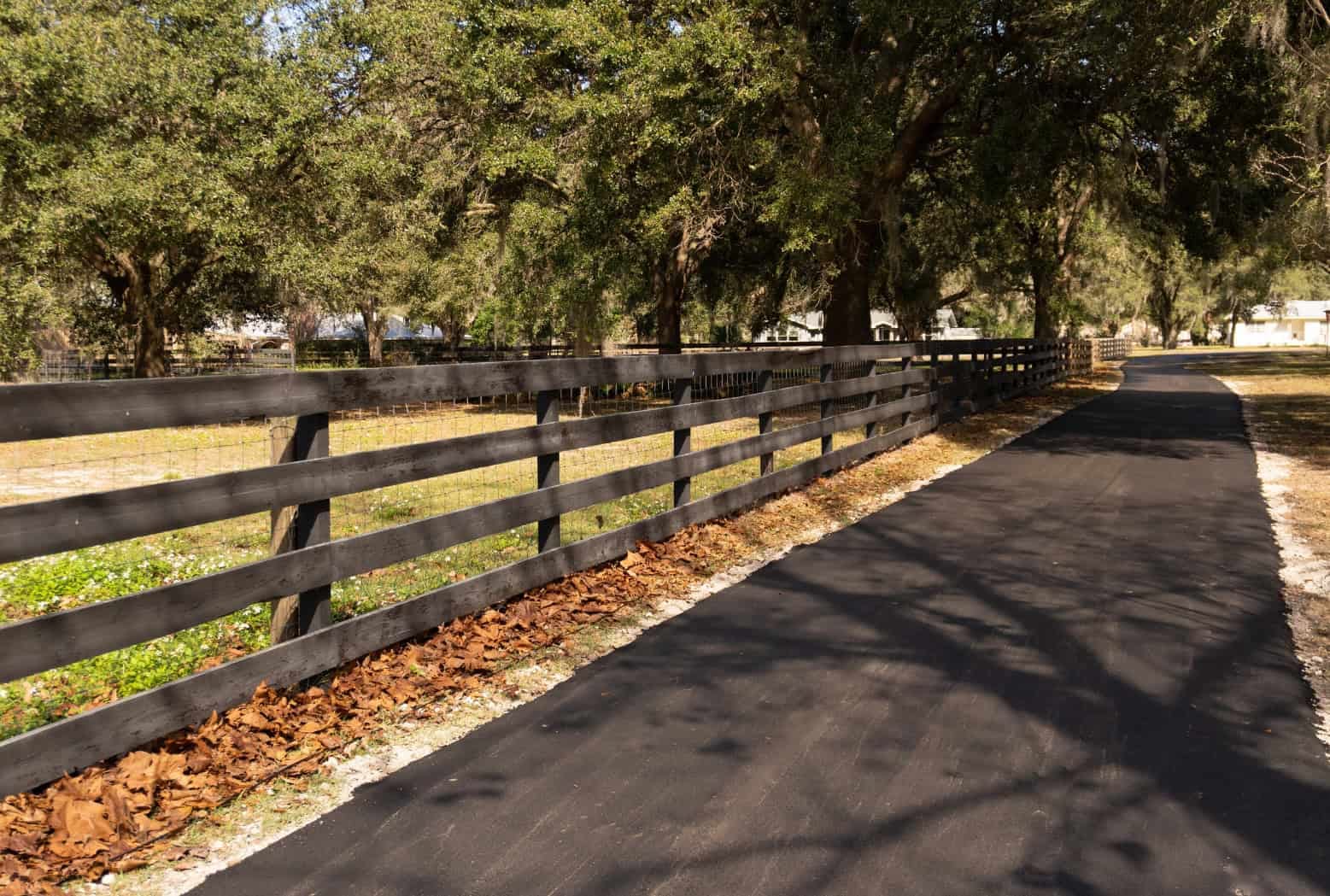
Home › Private Road and Lane Paving
Upgrade dusty or rutted access with private road paving in Tulsa, OK. We design and build asphalt lanes and shared drives that handle traffic, shed water, and reduce maintenance.
Precision Asphalt Tulsa provides professional private road paving throughout Tulsa, OK, Oklahoma and the surrounding area. Our licensed, insured crew delivers safe, clean, on-time work with a free estimate before anything begins. Call (918) 703-4204 or request your free quote.
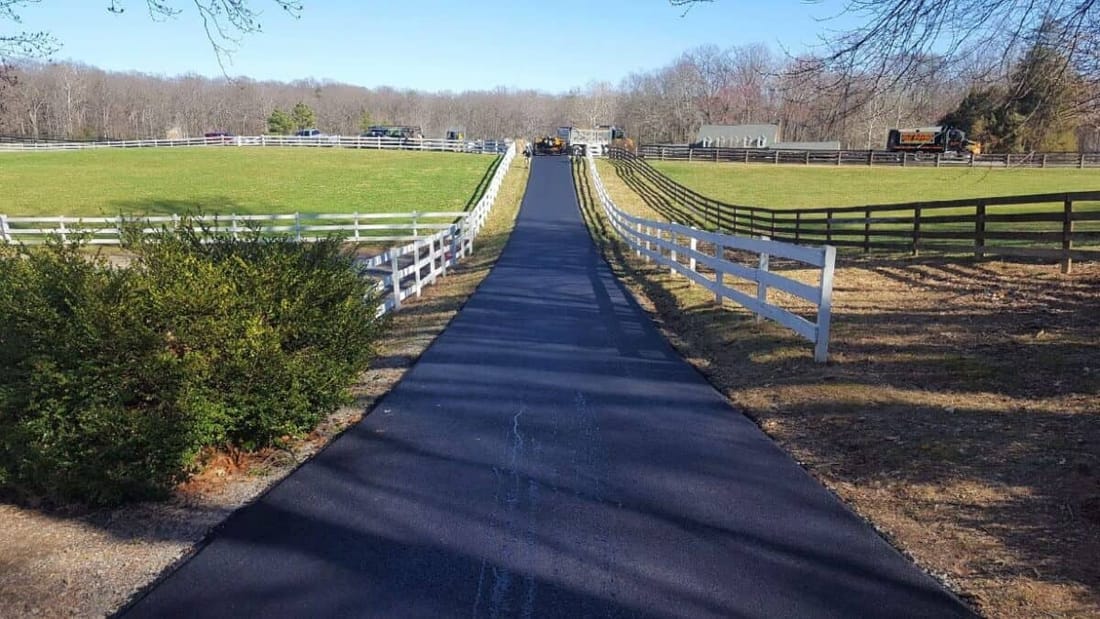
Private Road Paving Tailored to Tulsa Properties
Private road and lane paving in Tulsa is not one-size-fits-all. At Precision Asphalt Tulsa, we start with how you actually use your road: light residential traffic to a single home, heavier traffic to multiple homes, or regular use by delivery trucks, trash trucks, and livestock trailers. The expected traffic load and speed determine the pavement thickness, base requirements, and the mix design we recommend.
In the Tulsa area, many private roads serve small acreages, horse properties, and oil field or shop access lanes. These sites often have existing gravel lanes that rut after every storm or old chip seal that is breaking apart. During our site visit, we walk the full length of your road, look at any low spots that hold water, check culverts and ditches, and probe the underlying soil. East of Tulsa the clay soils expand and soften when wet, so we pay extra attention to drainage and base stability.
From the first conversation, we explain your options in plain language. For some homeowners, a compacted gravel base with a 2 inch asphalt surface is enough. For shared drive lanes or steeper grades, we may suggest a thicker asphalt section or an additional base layer of crushed rock. Our goal is always the same: a smooth, durable private road that fits how you use your property and your budget.
How We Build a Long-Lasting Private Road or Lane
A successful private road paving project in Tulsa starts below the asphalt surface. After utilities are located, we begin by shaping the existing lane with a grader. We cut out organic material and soft spots, then import and place a layer of crushed rock or recycled concrete as needed. This base is graded to create a crown or cross slope so water sheds to the sides instead of running down the middle.
Compaction is critical in our climate. Precision Asphalt Tulsa uses vibratory rollers to compact the base in multiple passes until we reach a firm, unyielding surface. On problematic clay soils that tend to pump when wet, we may use geotextile fabric under the base rock to keep it from mixing with the native soil. This extra step costs a little more up front but prevents future waves and potholes.
Once the base is ready, we install hot mix asphalt delivered from a Tulsa plant so it arrives at the correct temperature. We spread it with a paver to maintain uniform thickness across the full width of the lane. Hand crews then work the edges, tie into existing driveways or county roads, and make adjustments around gates or cattle guards. Finally, steel drum rollers compact the asphalt until it reaches the specified density, which is what gives your road the strength to handle vehicles without early cracking.
Material Choices for Tulsa Private Roads
Not every private road paving project needs the same asphalt mix or thickness. For private lanes that only see cars and pickup trucks, a 2 to 2.5 inch surface over a properly compacted base usually performs well. For shared entrances to small neighborhoods, long lanes that carry delivery trucks, or access roads to shops and barns, we often recommend 3 inches of asphalt in one or two lifts.
Tulsa weather brings hot summers, freeze-thaw cycles in winter, and heavy spring rains. Because of this, Precision Asphalt Tulsa typically specifies a mix that balances flexibility and strength so it can move a bit with the subgrade without breaking apart. In some locations where oils or chemicals may drip from parked equipment, such as private shop yards, we may suggest a slightly different mix to resist softening.
If your existing surface is old chip seal or thin asphalt, we evaluate whether we can overlay it or if it must be milled out. Overlays can save cost, but only if the underlying layer is sound and drains correctly. We explain the pros and cons of each option, including how it affects the finished elevation at gates, garage entries, and culverts so you do not end up with water flowing the wrong way after paving.
Costs, Estimates, and What Affects Your Price
Private road paving cost in Tulsa is driven by four main factors: length, width, base condition, and asphalt thickness. A narrow, straight lane on firm ground that already has a decent gravel base will cost less per foot than a wide, curved road that crosses soft or low areas. During your estimate, Precision Asphalt Tulsa measures your road, checks thickness of existing gravel, and notes drainage issues that might require extra grading or culvert work.
Material haul distance also matters. Many properties around Tulsa are outside city limits, so we factor in travel time for trucks and equipment. Tight access, low tree branches, and steep grades can add to labor time, so we discuss any site constraints up front. If sections of your lane routinely turn to mud after rain, we may recommend undercutting and rebuilding those areas to avoid repeated repairs later.
We provide written estimates that break out base work, asphalt paving, and any extras like culvert replacement, ditch shaping, or tie-ins to additional parking pads. When budget is tight, we can often phase the work, for example building and compacting the base on the full length, then paving the most critical section first and finishing the rest later. Clear, detailed pricing helps you compare options and understand exactly what you are paying for.
Common Private Road Problems in Tulsa and How We Fix Them
Many calls we receive at Precision Asphalt Tulsa are about existing private roads that are rough, muddy, or breaking apart. In this region, the most common problems are standing water in low spots, ruts from delivery and trash trucks, and edge failures where the asphalt crumbles into the ditch. All of these issues trace back to drainage and base support.
To correct standing water, we regrade the road to restore proper crown and clean or rebuild ditches so stormwater can move away quickly. Where ruts have formed, we usually cut out the damaged area, remove saturated or weak soil, then rebuild with compacted rock and new asphalt. Simply filling ruts with fresh asphalt without fixing the soft base will not last through another winter.
On older chip seal or patched gravel roads, we often see sections that turn into washboards. In those cases we may recommend full-depth reclamation of the lane, where we grind and mix the existing surface with new base material, then compact and pave over it. This approach recycles some of your existing material and creates a much stronger foundation than repeated patching would.
What to Expect When You Hire Precision Asphalt Tulsa
For private road and lane paving, we know you are trusting us with access to your home or property. Before any work begins, we review the plan with you, including where equipment will enter, how traffic will be handled, and which days the lane will be limited or closed. On many Tulsa-area projects, we stage the work so at least one vehicle can get in and out at most times, especially for longer drive lanes.
Preparation typically takes one day for shorter roads and up to several days for longer or more complex projects, especially if significant base repair or drainage work is needed. Paving itself is usually completed in a single day for standard residential lanes. Our crew cleans up loose material, checks gates and fences, and makes sure mailbox and trash access are usable before we leave.
We walk the finished road with you, explain how long to wait before heavy use, and discuss simple maintenance such as keeping ditches clear and watching for early signs of damage near culverts or on steep slopes. If you prefer, we can also schedule future crack sealing or sealcoating to extend the life of your private road. The result is a smooth, reliable lane, built specifically for Tulsa conditions, that you can count on for years.