Home › Walkway and Pathway Paving
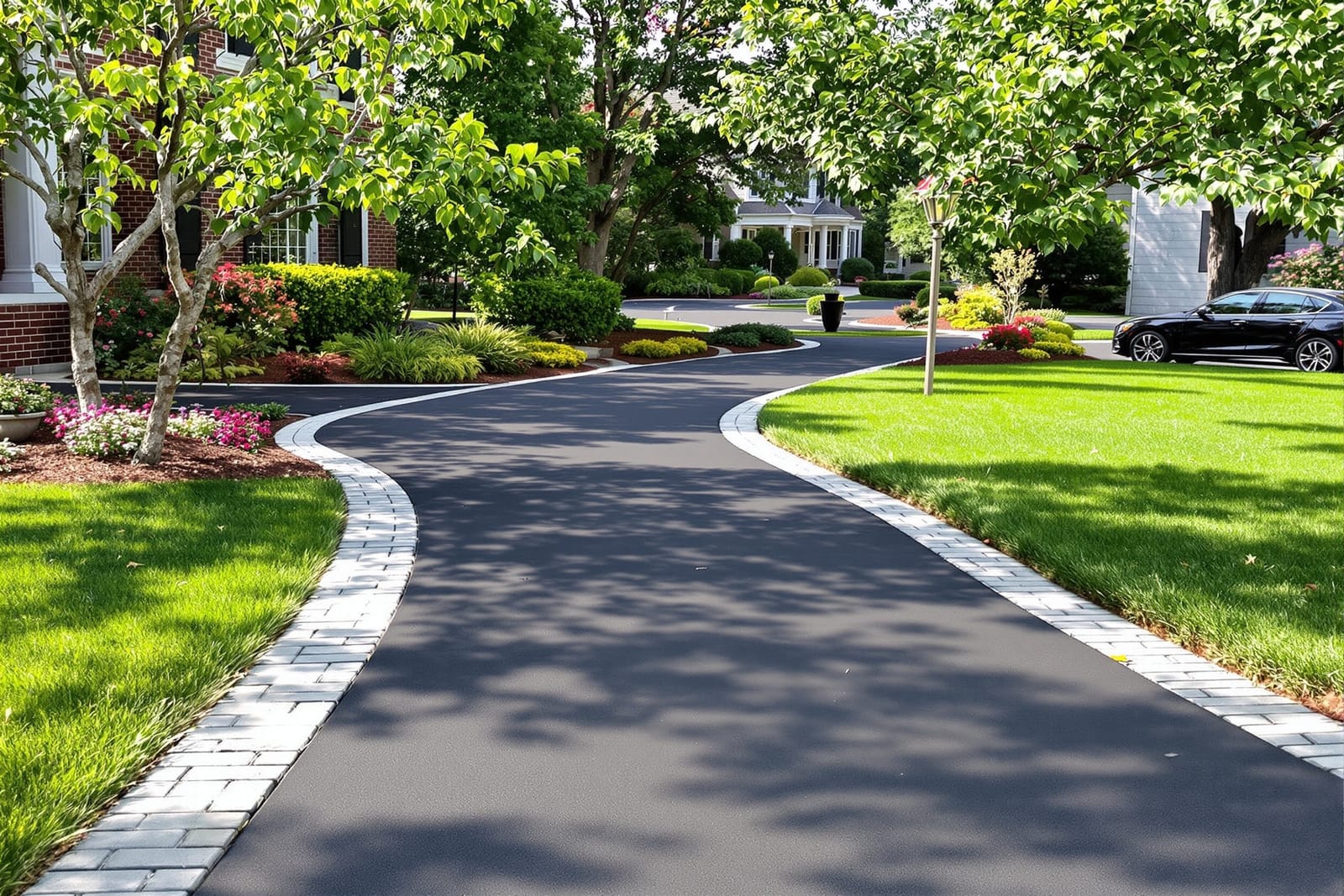
Create smooth, safe access around your home with asphalt walkway paving in Tulsa, OK. We install curved and straight paths that blend with landscaping and stay comfortable to walk on year round.
Precision Asphalt Tulsa provides professional asphalt walkway paving throughout Tulsa, OK, Oklahoma and the surrounding area. Our licensed, insured crew delivers safe, clean, on-time work with a free estimate before anything begins. Call (918) 703-4204 or request your free quote.
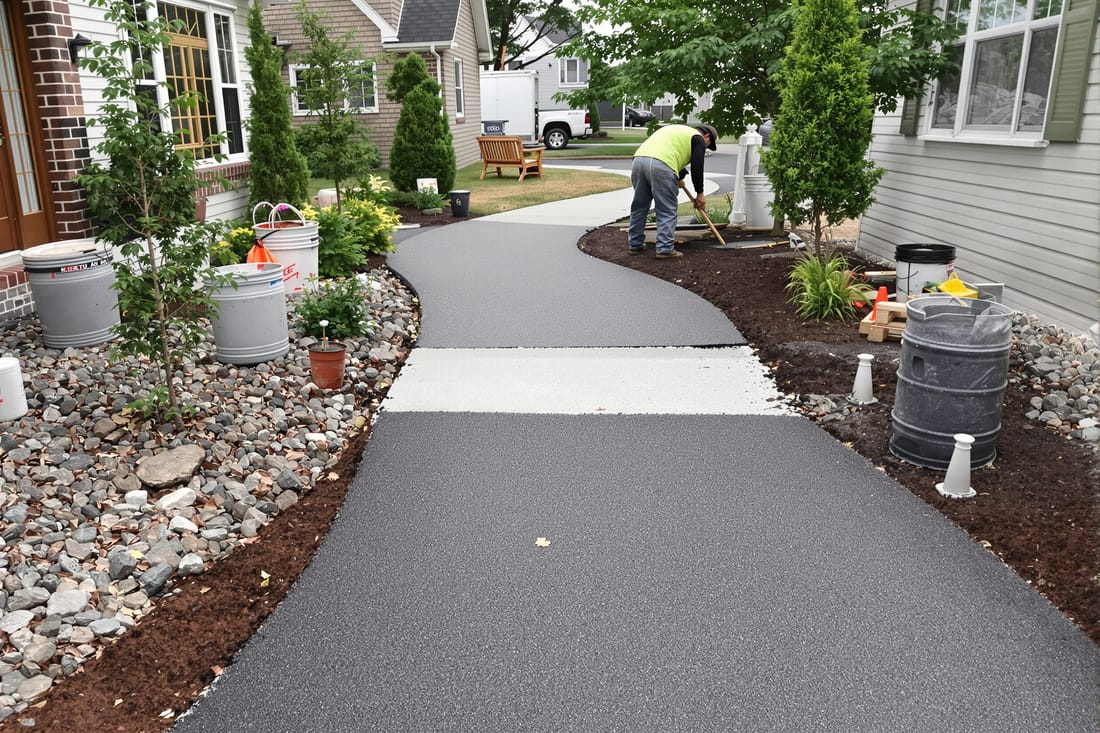
Asphalt Walkway Paving in Tulsa That Fits How You Really Use Your Property
When you picture your ideal walkway or backyard path, you are probably not thinking about asphalt thickness or base compaction. At Precision Asphalt Tulsa, that is exactly where we start, so your new asphalt walkway looks clean and stays safe under real Tulsa foot traffic and weather.
Walkway and pathway paving is more than just laying a narrow strip of asphalt. We look at how people actually move through your property: from driveway to front door, parking lot to business entrance, house to shop, or back patio to garden. We plan curves that match the landscape, widths that truly fit two people walking side by side, and smooth transitions so strollers, wheelchairs, and carts roll easily.
For residential walkways in Tulsa, a typical width is 3 to 4 feet, while commercial and multi family paths are often 5 to 6 feet to meet accessibility needs. We discuss whether you want a straight, formal look or meandering paths that follow trees, flower beds, or drainage lines. From there, we map the layout on the ground with paint or string so you can literally walk the route before we ever cut into your yard.
Because this is Tulsa, we also consider how rain moves across your property and how our long hot summers affect asphalt. A path that looks great but holds water or softens in August will not stay great for long. Our design process always includes slope and drainage planning, even for short walkways.
How Precision Asphalt Tulsa Builds Long Lasting Asphalt Walkways
Proper sub base work is what keeps asphalt walkway paving from cracking, heaving, or sinking. Once you approve the layout, we strip away sod, roots, and soft soil to a depth that fits both the new base and asphalt layer. For most Tulsa walkways, we excavate 4 to 8 inches, depending on soil conditions and how much traffic (foot, golf carts, light utility vehicles) the path will see.
We bring in crushed rock or recycled concrete and compact it in layers using a plate compactor or small roller. This creates a solid, well drained foundation. In areas with softer red clay, which is common around Tulsa, we may increase base depth or use a slightly larger aggregate to reduce movement when the soil gets saturated during heavy storms.
Next comes asphalt placement. For standard pedestrian walkways, we usually install 2 to 3 inches of hot mix asphalt after compaction. If the path will carry maintenance carts or small vehicles, we may recommend a thicker section or a base mix topped with a finer surface mix. We use smaller equipment and hand tools to shape edges cleanly, especially where the path curves tightly around landscaping or ties into existing concrete.
Compaction is critical at this stage. We run a roller or plate compactor across the entire surface and pay close attention to edges so they do not crumble later. All joints where new asphalt meets driveways, sidewalks, or parking lots are carefully matched in height to minimize trip hazards. Finally, if needed, we cut drainage slots or shape the surface with a slight crown or cross slope so water sheds instead of pooling.
Design Options That Make Your Walkway Look Finished, Not Temporary
A lot of people are surprised by how many design decisions go into asphalt walkway paving. At Precision Asphalt Tulsa, we walk you through these choices so the finished path looks intentional, not like an afterthought.
Edge treatment is one of the biggest visual upgrades. You can leave the asphalt edge flush with the lawn for a soft, natural look, or we can add a compacted gravel shoulder that supports the edge where there is no grass. For a more polished or commercial appearance, some property owners install concrete, brick, or metal edging next to the asphalt. We coordinate the asphalt height and alignment so those borders sit neatly against the path.
Surface texture is another option. Standard hot mix asphalt has a fine, uniform texture that works well for walking, running, and wheelchairs. If the walkway is near a playground, pool, or area where kids run with wet shoes, we can select a slightly coarser surface mix to improve traction without making it uncomfortable.
We can also adjust color and layout details to fit your space. Traditional black asphalt is most common because it is economical and cures quickly in Tulsa heat. If you want more contrast, we can talk about sealcoat timing, which deepens color and gives a consistent finish. Layout details like gentle S curves, widened areas near benches, or small paved pads at gate openings can turn a simple walkway into a more usable outdoor feature.
For commercial and community properties, we can plan crosswalk tie ins, widened passing zones, and short ramps to comply with accessibility guidelines. We pay close attention to slopes so paths remain comfortable for people using wheelchairs, walkers, or strollers.
What Affects Cost and Timing for Walkway and Pathway Paving in Tulsa
Asphalt walkway paving costs in Tulsa are driven by a handful of practical factors: total length and width, how much excavation is needed, soil conditions, and how easy it is to get equipment and trucks to the work area. At Precision Asphalt Tulsa, we explain these items clearly on site so you understand why we recommend certain options.
Narrow access is a common Tulsa issue, especially in older neighborhoods and tight backyards. If we cannot bring a small roller or skid steer through a fence opening, we may need more handwork and smaller equipment, which affects labor time. On the other hand, straightforward front yard walkways with good truck access are usually faster and more cost effective.
Terrain also matters. Flat, firm ground needs less base material and grading than areas with slopes or soft spots. If your proposed path crosses a drainage swale, we will talk about raising the base, adding extra rock, or slightly rerouting to keep water flowing where it should. These decisions prevent future washouts and uneven settling, which ultimately saves money on repairs.
Tulsa’s weather affects scheduling too. The best times for new asphalt walkway paving are typically spring and fall when temperatures are moderate and there is less risk of extreme heat or cold during curing. Summer projects are very doable, but we may start earlier in the day to avoid the highest afternoon temperatures. In winter, we watch the forecast closely and only pave when surface and air temperatures meet mix requirements so the asphalt bonds correctly.
A detailed on site visit is the only honest way to price this work. During that visit, we measure, check drainage, note access issues, and talk through any extras like connecting to existing concrete, adding small landing pads, or planning for future expansions.
Common Walkway Problems We Prevent and How to Get Started
If you already have a cracked, heaving, or washed out walkway, you are seeing what happens when the base is too thin, water is not managed, or the original installer rushed the job. At Precision Asphalt Tulsa, we focus on fixing the underlying causes instead of just putting a new layer on top.
Typical problems we see around Tulsa include tree root lifting, edge crumbling where there is no support, and low spots that collect water after storms. Depending on the severity, we may recommend full removal and reconstruction, or selective repair and overlay. For example, if a short section is damaged by roots, we can excavate that area, address the roots in coordination with an arborist if needed, rebuild the base, and smooth in new asphalt so the walkway becomes level again.
For long term durability, we suggest a simple maintenance plan. Keeping edges trimmed so grass does not creep over and trap moisture, clearing leaves and debris before they break down into organic mush, and addressing any small cracks early can significantly extend the life of an asphalt path. Every few years, a fresh sealcoat can help protect the surface from UV and Tulsa temperature swings while keeping it looking clean and darker.
If you are planning a new walkway, the easiest way to start is with a walk through of your property. Show us how you and your family or customers currently move around, where you cut across the grass, and where mud or uneven ground causes problems. We will sketch route options, discuss widths and slopes, and give you straightforward recommendations. From there, you receive a clear written proposal that outlines the scope, materials, and timeline.
Whether you need a simple front entry path or a network of backyard and community walkways, Precision Asphalt Tulsa combines the right materials, local knowledge of Tulsa soils and weather, and careful layout so your asphalt walkway paving looks good and works well for years.